AI for Retail: Personalizing the Customer Journey 2026
The retail landscape of 2026 has moved far beyond the simple “buy and sell” transactions of the past. We have entered the era of Hyper-Individualization, where the customer journey is no longer a linear path but a fluid, AI-orchestrated experience. For the readers of ngwmore.com, staying competitive in this market requires a fundamental shift: moving from mass marketing to a “Segment of One” strategy.
In this comprehensive guide, we will explore how Artificial Intelligence is reinventing the retail experience, the “Agentic” tools driving sales conversion this year, and a strategic roadmap for brands to scale their personalization efforts in 2026.
1. The 2026 Paradigm: From Search to Discovery
In the early 2020s, retail was reactive. A customer had a need, searched for a product, and compared prices. In 2026, AI has made retail proactive.
The End of the Search Bar
We are witnessing the decline of the traditional keyword search. Modern retail platforms now utilize Intent-Based Discovery. Instead of typing “blue running shoes,” a customer interacts with a multimodal AI agent—via voice, image, or text—describing their lifestyle: “I’m training for a half-marathon in a humid climate and I have a wide forefoot. What do I need?”
The AI doesn’t just return a list of shoes; it synthesizes a complete “Performance Kit,” including moisture-wicking socks and electrolyte supplements, based on the user’s specific biomechanics and local weather forecasts.
2. Core Pillars of the AI-Personalized Journey
To optimize the customer journey in 2026, retailers must master four key technological pillars.
A. Predictive Personalization
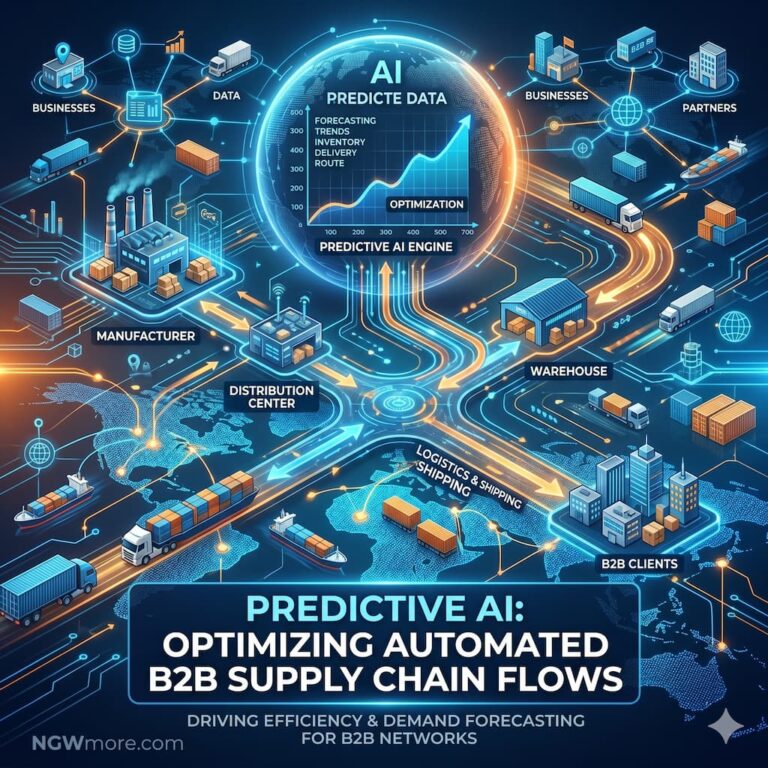
Predictive AI now anticipates customer needs before the customer even articulates them. By analyzing “Deep Data”—including past purchase cadence, social media sentiment, and even IoT data from smart appliances—AI models can predict when a customer is running low on a product or when their style preferences are shifting.
B. Computer Vision and “Magic Mirrors”
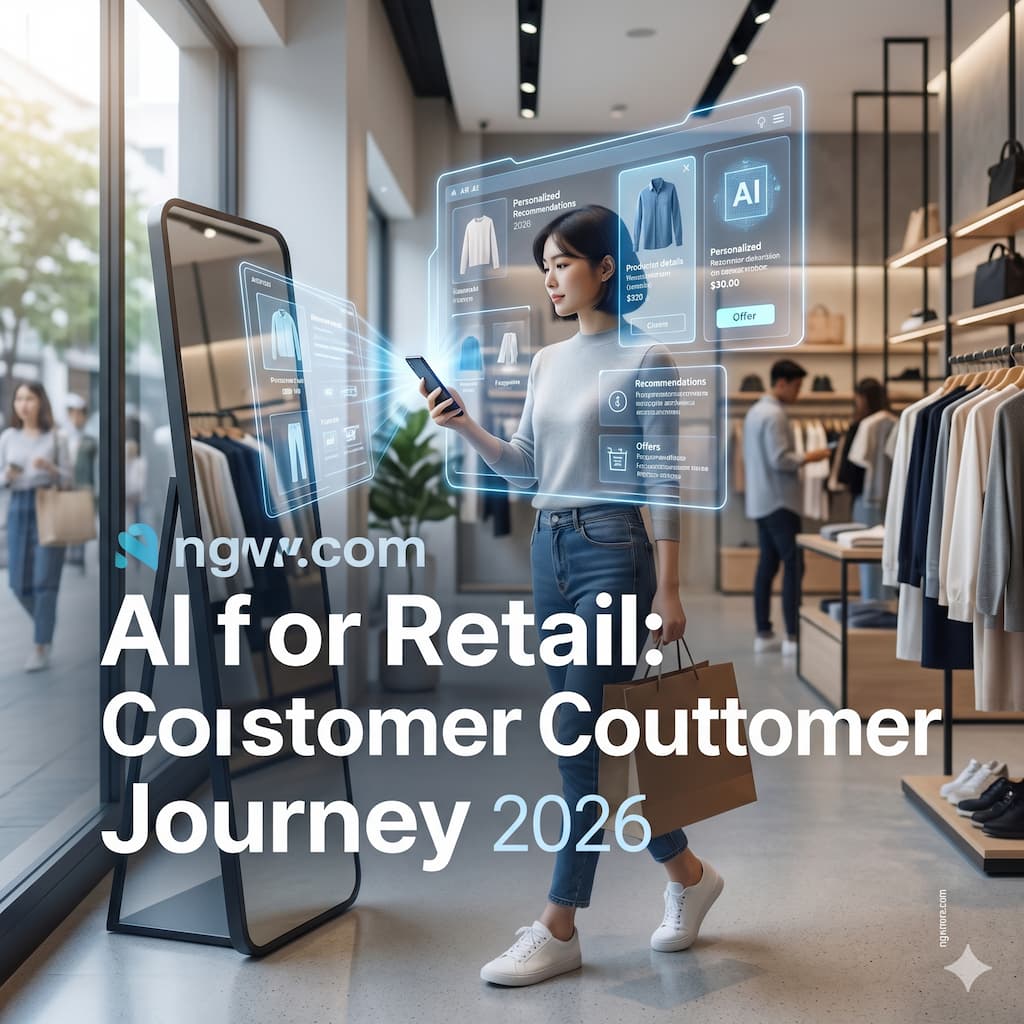
In physical retail locations, Computer Vision has transformed the fitting room.
- Virtual Try-On (VTO): Augmented Reality (AR) mirrors allow customers to see how clothes fit and move on their actual body shape without undressing.
- Style Synergy: The mirror suggests accessories or complementary items currently in stock in the store, increasing the Average Order Value (AOV) by providing real-time styling advice.
C. Generative Dynamic Creative
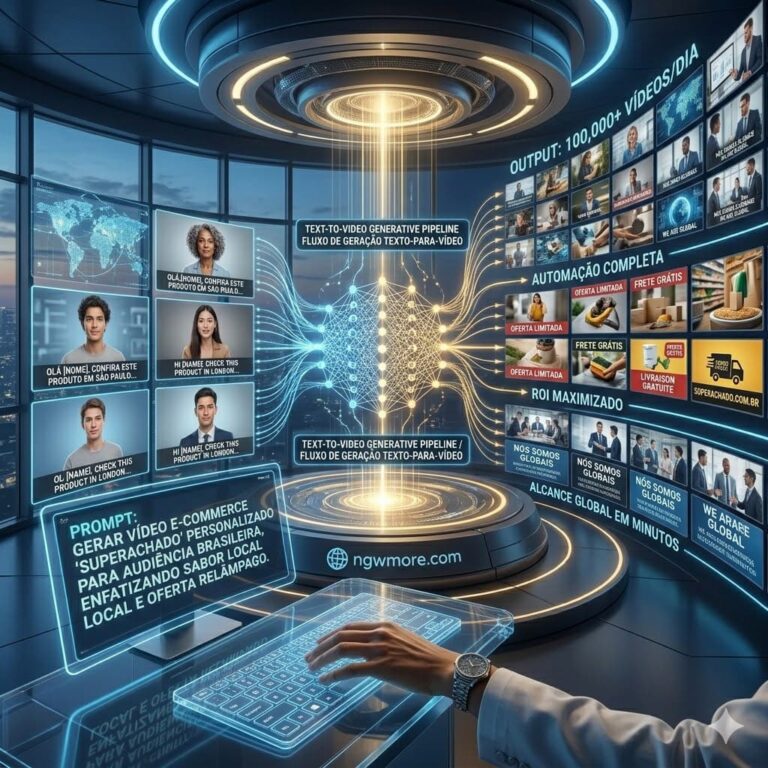
Generic ads are dead. In 2026, AI generates Dynamic Creative Content in real-time. If two different users see the same product ad on TikTok or Instagram, the background music, the lighting, and even the AI-generated model in the video will change to match that specific user’s aesthetic preferences.
D. The Autonomous Shopping Agent
The most significant shift in 2026 is the rise of the Personal Shopping AI. Many consumers now delegate their routine shopping to their own AI agents. Retailers must now optimize their “SEO” not just for humans, but for AI-to-AI transactions, ensuring their product data is structured for autonomous agents to evaluate and purchase.
3. Top AI Retail Platforms for 2026
The market is currently dominated by platforms that bridge the gap between data and action.
| Platform | Best For | Standout 2026 Feature |
| Vue.ai | End-to-End Automation | AI Styler: Automatically tags and categorizes thousands of SKUs to create “shoppable looks.” |
| Dynamic Yield | Experience Optimization | Predictive Targeting: Uses deep learning to serve different website layouts to different users. |
| Obsess | Virtual Storefronts | 3D Immersive Shopping: Creates photorealistic virtual stores that users can explore in VR/AR. |
| Syte | Visual Discovery | Camera Search: Allows users to upload a photo of a stranger’s outfit and find matching items instantly. |
| Lily AI | Emotional Intelligence | Customer Intent Mapping: Connects the “vibe” of a product to the emotional state of the buyer. |
4. The 2026 ROI: Why Personalization Scales Brands Fast
For the entrepreneurs at ngwmore.com, the financial case for AI-driven personalization is undeniable. In 2026, the metrics have shifted:
- Conversion Rate Lift: Brands using real-time predictive intent scoring are seeing 25% to 40% higher conversion rates compared to static e-commerce sites.
- Return Reduction: AI-powered “Fit Engines” and Virtual Try-Ons have slashed return rates—the “profit killer” of retail—by nearly 30%.
- LTV (Lifetime Value) Expansion: By providing a frictionless, personalized experience, brands are increasing customer retention. In 2026, it is no longer about the “First Click,” but about the “Infinite Loop” of recurring, AI-managed replenishment.
5. Strategic Roadmap: Building the AI Journey
How do you implement this on your own platform? Follow this 2026-ready roadmap:
Step 1: Unify the “Customer Graph”
Personalization fails if your data is siloed. You must integrate your e-commerce data, physical store POS (if applicable), and social engagement into a single AI Data Lake. This allows the AI to recognize that the person who liked a post on Instagram is the same person who just walked into your store.
Step 2: Implement “Ambient” Personalization
Start small by personalizing the “low-hanging fruit”:
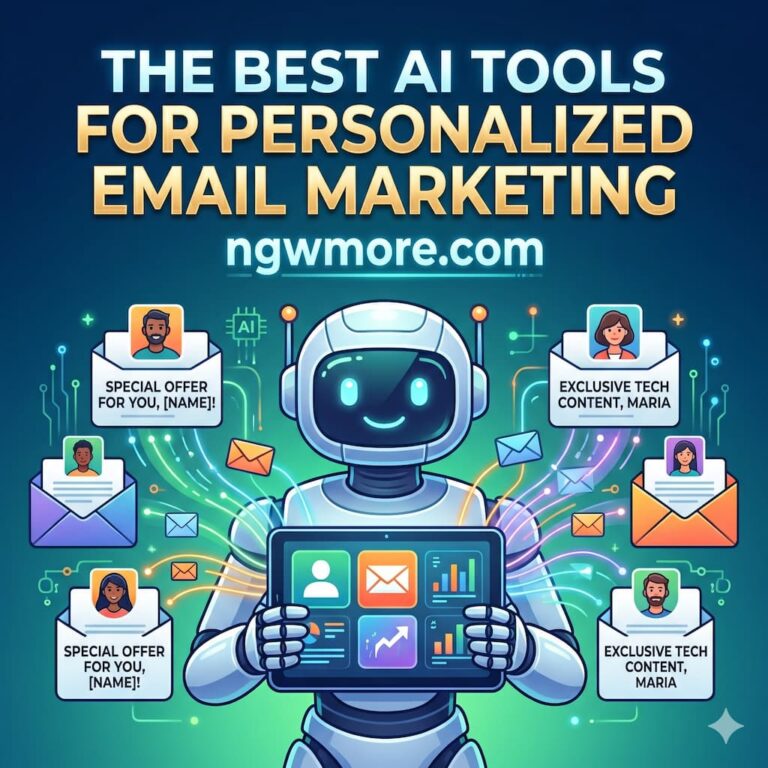
- Dynamic Email/SMS: Use AI to send messages only when the user is most likely to be on their phone.
- Personalized Homepages: Show the user products based on their predicted future needs, not just their past history.
Step 3: Deploy Conversational Commerce
Integrate an AI Shopping Agent on your site. Move away from “FAQs” and toward “Consultative Selling.” The AI should act like a high-end boutique clerk—knowledgeable, empathetic, and focused on finding the right solution, not just pushing a sale.
6. Challenges: Privacy, Ethics, and the “Creepy” Factor
With great power comes great responsibility. In 2026, the biggest risk to personalization is over-stepping the privacy line.
- Zero-Party Data: The “Gold Standard” of 2026. Instead of “tracking” users secretly, brands are asking users to share their preferences in exchange for a better experience. This builds Trust Equity.
- The EU AI Act Compliance: Ensure your personalization algorithms are transparent. If a user asks, “Why am I seeing this price?”, your system must be able to explain the logic without bias.
- Avoiding the Filter Bubble: If an AI only shows a user what they already like, they never discover new things. Smart retailers in 2026 use “Serendipity Algorithms” to occasionally introduce “wildcard” products to keep the discovery process exciting.
Read More⚡ AI Cybersecurity: Protecting Your Business 2026
Conclusion: The Retailer as an Experience Architect
In 2026, you are no longer just selling a product; you are architecting an experience. The “Retail Apocalypse” only happened for those who refused to adapt. For those who embrace AI, the future is a golden age of efficiency and customer loyalty.
For the ngwmore.com community, the message is clear: Personalization is the new “Location, Location, Location.” It is the digital foundation upon which all future retail growth will be built.
The customer of 2026 is waiting for an experience that feels made just for them. Is your brand ready to deliver?